
 English
 العربية
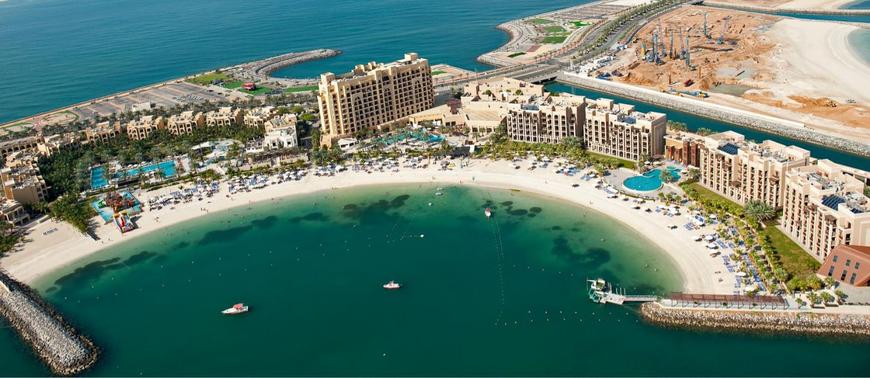
Al Marjan Island is a four-island, man-made archipelago in Ras Al Khaimah known for its white-sand beaches, high-end resorts, and sweeping Gulf views. In simple terms, it delivers a serene, resort-like lifestyle within the UAE—yet it’s still connected to the mainland for daily essentials. Below, we explain what living on Al Marjan Island really feels like, with clear pros, honest trade-offs, and practical tips to help you decide if it’s the right fit.
Pros of living on Al Marjan Island
1) Luxury waterfront lifestyle and everyday calm
Living on Al Marjan Island means waking up to sea views, strolling landscaped promenades, and having sandy beaches on your doorstep. The master plan emphasizes walkability and wellness, with long waterfront paths, cycling routes, and resort-style facilities that make daily life feel like a staycation.
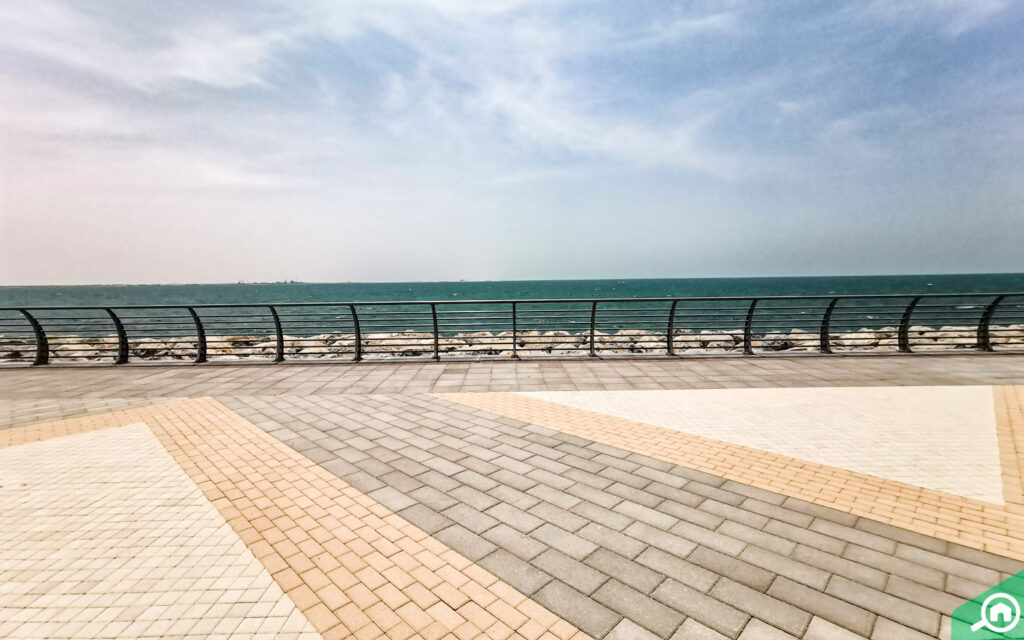
Water lovers can kayak, paddleboard, swim, or simply relax along the shoreline. Many buildings offer rooftop pools, gyms, saunas, and direct beach access, creating a genuinely all-in-one leisure environment. For many residents, the biggest perk is the sense of tranquility—especially compared with busier urban centers.
- Beachfront promenades for jogging, cycling, and sunset walks
- Hotel-style amenities in many residential towers
- Choice of water sports and marinas nearby
2) Diverse homes for rent and sale
You’ll find a variety of properties on Al Marjan Island, including compact studios, 1–3 bedroom apartments, and larger penthouses and villas in select communities. Options span move-in-ready homes and off-plan launches, making it attractive whether you’re relocating now or investing for the mid-term. Many residences feature balconies with sea or boulevard views, contemporary finishes, and smart layouts tailored to holiday-home or full-time living.
- Studios and 1-beds for singles and couples
- 2–3 bedroom apartments for growing households
- Premium penthouses and select villas for more space and privacy
3) Family-friendly design and solid connectivity
Despite its island setting, Al Marjan connects directly to the mainland via Sheikh Mohamed Bin Salem Road (E11), keeping daily life practical. Groceries, malls, medical clinics, and entertainment are a short drive away in neighboring areas. On-island, many complexes include temperature-controlled pools, children’s splash zones, and landscaped play areas—ideal for young families.
- Direct road links to Ras Al Khaimah’s mainland
- Family-oriented facilities integrated into many buildings
- Safe promenades and open spaces for walking and cycling
4) Wellness, space, and low-rise congestion
Compared with denser city districts, the island’s layout feels open and breathable, with plentiful waterfront vistas and less road congestion. That extra space makes it easier to lead an outdoor, health-forward lifestyle—morning runs, beach time, and relaxed evenings on the promenade are part of the weekly routine for many residents.
5) Strong long-term development story
Al Marjan Island is a flagship destination within Ras Al Khaimah’s tourism and real estate strategy. The ongoing pipeline of hospitality, leisure, and residential projects continues to elevate the area’s profile. For homeowners and investors, this long-term vision underpins demand for quality properties and supports the island’s premium lifestyle positioning.
Cons of living on Al Marjan Island
1) Ongoing construction and phased delivery
Growth brings cranes. New hotels, residences, and retail concepts are still being built, which means some areas experience daytime construction noise, dust, and occasional detours. This is typical of maturing master communities, but it’s worth factoring into your expectations—especially if you’re sensitive to construction activity.
2) Limited public transportation
There’s minimal public transit on the island itself. Most residents rely on private cars or taxis/ride-hailing for commuting, errands, and school runs. The road network is efficient, but car dependency can be a downside if you prefer hopping on a metro or bus.
3) Retail and dining are still growing
There are cafés, restaurants, and convenience shops on Al Marjan Island, and more are opening over time. For a fuller variety—especially large-format supermarkets, specialty stores, cinemas, and broader dining—residents often drive to nearby mainland hubs. The trajectory is positive, but if you want a fully mature urban retail scene on your doorstep right now, the island may feel a touch limited.
4) Fewer schools and hospitals on-island
Families will find nurseries and clinics within a manageable drive, but most K–12 schools and major medical facilities are off the island. Plan for school commutes and choose locations accordingly. Many parents coordinate car shares or staggered schedules to streamline morning and afternoon runs.
5) Premium pricing and maintenance considerations
Waterfront living typically carries higher purchase prices, rents, and service charges than inland neighborhoods. Salt air can also increase wear on exterior fixtures and balcony furniture, requiring a bit more upkeep. If you’re budget conscious, compare total cost of ownership—price, service fees, and maintenance—across a few RAK communities before deciding.
6) Seasonal dynamics
High season brings more visitors and livelier beaches; summers are quieter but also more humid, which can limit midday outdoor time. Many residents adapt with early-morning workouts and evening beach walks during hotter months.
Is Al Marjan Island right for you?
Great fit if you value
- Daily access to beaches, promenades, and water sports
- A calm, resort-style environment over urban hustle
- Modern apartments with sea views and hotel-style amenities
- Driving convenience to shopping, dining, and schools
Think twice if you prefer
- Doorstep public transport and a big-city retail scene
- No construction nearby
- Rock-bottom pricing and minimal service charges
Find My Agent
Working with a locally experienced, licensed Ras Al Khaimah agent can save time and money—especially if you’re new to island communities. Use this quick checklist to find the right partner:
- Verify licensing and local experience: Choose an agency licensed in Ras Al Khaimah, with proven transactions on Al Marjan Island and neighboring waterfronts.
- Ask for recent comps: Request a snapshot of comparable rentals/sales and typical service charges across the island’s buildings.
- Discuss your lifestyle brief: Beach access, pet policies, balcony size, parking, gym/pool quality, and noise tolerance (construction/tourism) all matter.
- Clarify fees upfront: Understand agency fees, deposits, service charges, and payment timelines for rent or off-plan purchases.
- Do a day-and-night viewing: Visit at different times to gauge traffic, sound levels, and beach/pool usage.
Getting around and daily life
Driving times (typical, traffic permitting):
- Central Ras Al Khaimah: roughly 10–20 minutes
- Dubai (depending on origin): about 45–70 minutes
- Ras Al Khaimah International Airport: around 30–35 minutes
Groceries and errands: Expect convenience stores on-island and larger supermarkets, pharmacies, and household shops within a short drive on the mainland. Many residents use delivery apps for groceries, water, and meals.
Schools and healthcare: Nurseries and clinics are reachable within a drive; for K–12 schooling and major hospitals, plan on mainland commutes. Ask your agent to shortlist buildings that minimize your school run.
Pets and outdoor time: Several buildings are pet-friendly; always confirm building rules and beach etiquette. The promenades and green strips are popular for evening walks.
Bottom line
Living on Al Marjan Island delivers the UAE’s signature waterfront lifestyle—clean beaches, boardwalks, and hotel-style amenities—without sacrificing drive-time access to mainland necessities. The trade-offs are predictable for a maturing island community: visible construction, car reliance, and developing retail depth. If a calm, blue-water backdrop is your priority, and you’re comfortable driving for broader choice, Al Marjan Island can feel like a true waterfront haven.
FAQs
Is Al Marjan Island good for families?
Yes. Families appreciate the safe promenades, children’s pools and play areas, and beach access. The main consideration is school location—most K–12 options are off-island, so factor in commute times.
Do I need a car to live there?
A car is strongly recommended. Public transport is limited, and most residents rely on private vehicles or taxis/ride-hailing for daily errands, school runs, and commuting.
How long is the commute to Dubai and central RAK?
Plan roughly 45–70 minutes to Dubai (depending on your destination and traffic) and around 10–20 minutes to central Ras Al Khaimah. Travel times vary by time of day and season.
Are there shops and restaurants on the island?
Yes—there are cafés, restaurants, and convenience retail, with more coming as the island grows. For wider variety, residents typically drive to nearby mainland malls and dining districts.
What’s the cost of living like compared with inland RAK?
Expect a premium for waterfront addresses. Purchase prices, rents, and service charges are generally higher than inland neighborhoods due to views, beach access, and amenities. Compare total cost of ownership across buildings before deciding.
Is construction noise an issue?
In some pockets, yes—Al Marjan is still developing. Noise is usually daytime and varies by building proximity. Viewing homes at different times helps you assess your tolerance.
Are pets allowed?
Many buildings are pet-friendly, but policies differ. Confirm pet rules, registration requirements, and any breed/size restrictions before you sign.