
 English
 العربية
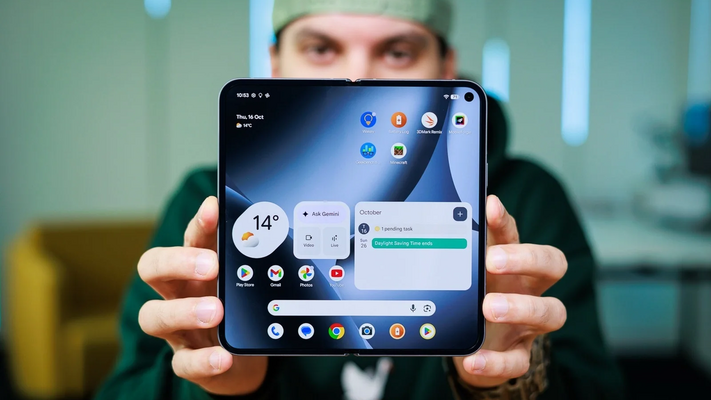
Google appears to be preparing a significant shift in smartphone design philosophy. A recently filed US patent application (No. US 2026/0006115 A1) reveals the tech giant may be developing removable battery technology for its flagship Pixel devices, with the upcoming Pixel 11 Pro Fold being the most likely candidate for this groundbreaking feature. This move could position Google as a leader in sustainable smartphone design while complying with upcoming EU regulations requiring user-replaceable batteries in all smartphones by 2027.
What the Google Patent Reveals About Removable Battery Technology
The patent diagrams provide detailed insights into how Google plans to implement this user-friendly feature. Unlike traditional removable battery designs from the early smartphone era, Google's approach is far more sophisticated and addresses many of the technical challenges that have plagued previous attempts at user-replaceable batteries in modern devices.
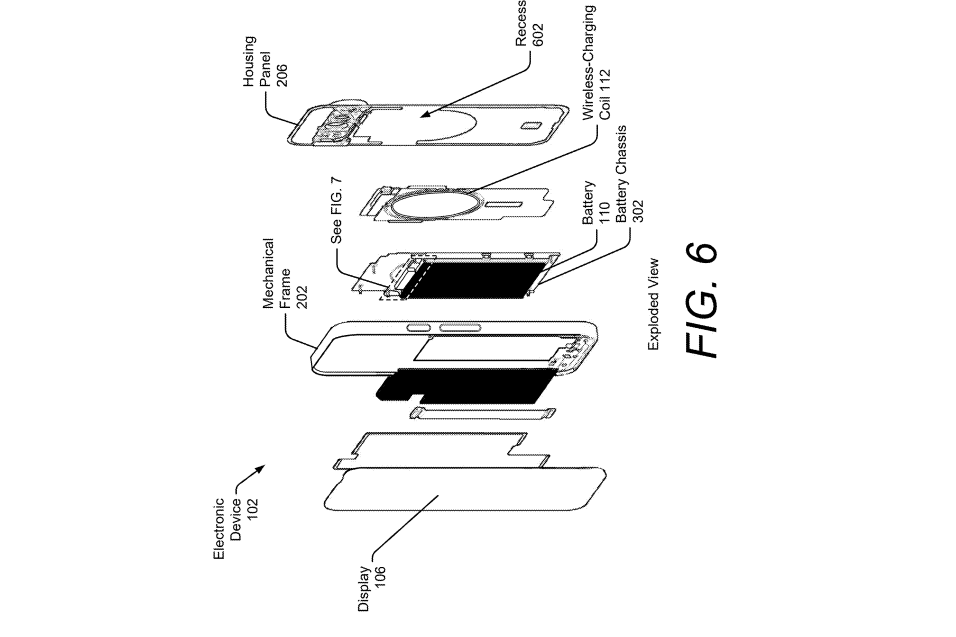
According to the patent documentation, the battery isn't simply a loose component that slides in and out. Instead, it's housed within a specialized battery chassis that forms a complete subassembly. This chassis serves multiple critical functions:
- Structural integration: The chassis interlocks securely with the device's frame
- System grounding: It acts as the system ground, ensuring electrical stability
- Signal preservation: The design addresses antenna interference issues that plagued earlier removable battery phones
- Protection: The subassembly approach maintains water and dust resistance standards
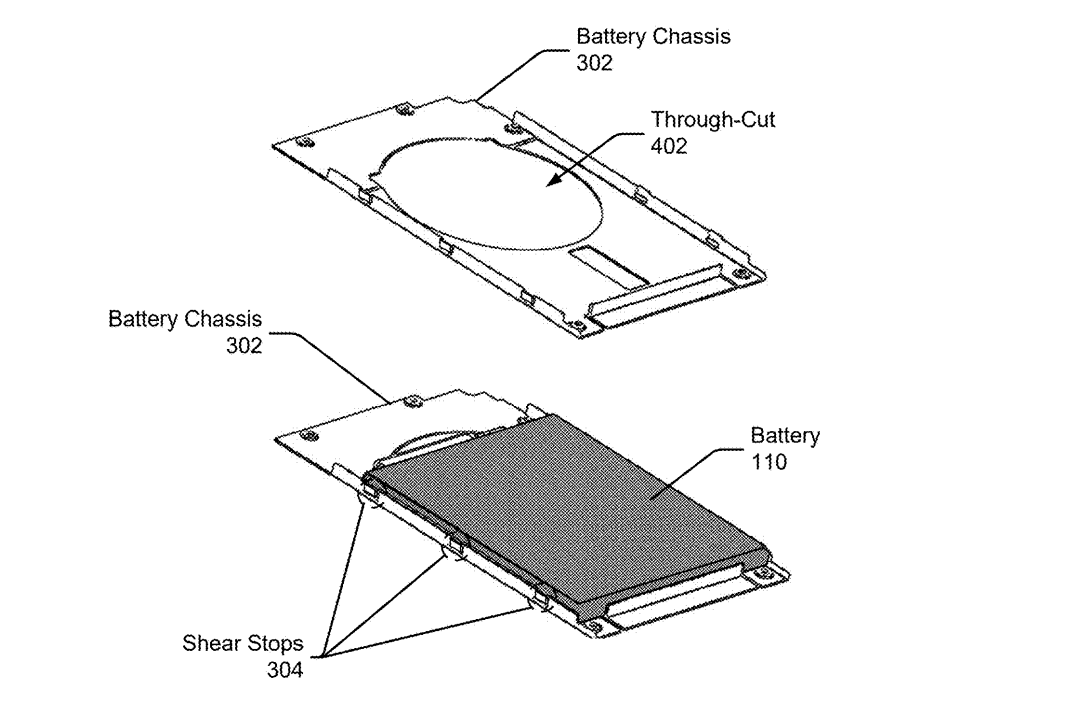
The detailed diagrams in the patent strongly suggest the device in question is the Pixel 11 Pro Fold, rumored to be known internally at Google as "Yogi." This would make it one of the first flagship foldable smartphones to feature truly user-replaceable battery technology.
Why Removable Batteries Matter in 2025 and Beyond
The smartphone industry has largely abandoned removable batteries over the past decade. Manufacturers cite several reasons for this shift, including the need for slimmer designs, improved water resistance, and the integration of wireless charging technology. However, this approach has significant drawbacks for consumers and the environment.
Environmental Impact
When a smartphone's battery degrades—typically after 2-3 years of regular use—the entire device often ends up in a landfill or recycling facility. With removable batteries, users could simply swap out the degraded battery and continue using their device for several more years. This could dramatically reduce electronic waste and the environmental impact of smartphone manufacturing.
Cost Savings for Consumers
Battery replacement at authorized service centers can cost anywhere from $50 to $200 or more, depending on the device. A user-replaceable battery could cost a fraction of that amount, making it far more economical for consumers to extend the life of their devices. This is particularly significant for premium devices like foldable phones, which often carry price tags exceeding $1,500.
Convenience and Flexibility
Power users could carry spare batteries for extended trips or situations where charging isn't practical. This level of flexibility was common in the early smartphone era but has been lost in recent years. Google's patent could bring back this convenience while maintaining the premium feel and functionality of modern flagship devices.
The Current Smartphone Battery Landscape
Different manufacturers have taken varying approaches to battery technology in recent years. OnePlus and Apple have focused on developing batteries that maximize capacity within minimal space, using advanced silicon-carbon technology and improved cell density. Samsung has worked on adopting the universal wireless charging standard Qi2 across their flagship lineup, improving compatibility and charging efficiency.
However, all these approaches share one common characteristic: the batteries are "glued shut." Replacing them requires specialized equipment, heat application, and technical expertise. Even professional repairs don't always succeed, and there's always a risk of damaging the device during the process.
Technical Challenges of Modern Removable Batteries
Earlier removable battery designs faced several significant issues:
- Signal degradation: The battery compartment often interfered with antenna placement and signal strength
- Structural weakness: Removable back panels reduced overall device rigidity
- Water resistance: Achieving IP67 or IP68 ratings was nearly impossible with traditional removable designs
- Design limitations: Thicker profiles and less premium aesthetics were common tradeoffs
Google's patent specifically addresses these concerns through the innovative chassis and subassembly approach. By integrating the battery housing into the device's structural and electrical systems, the company appears to have found solutions to problems that have stumped the industry for years.
EU Regulations Driving Industry Change
A significant factor driving this development is the European Union's new regulations on portable batteries. Starting February 18, 2027, all smartphones sold in the EU must have batteries that end-users can replace or remove using commercially available tools—no specialized equipment needed.
This regulation represents a major shift in policy and could reshape the entire smartphone industry. Companies that fail to comply will be unable to sell their devices in one of the world's largest markets. By filing this patent now, Google is positioning itself ahead of the deadline with proprietary technology that could give it a competitive advantage.
Implications for Other Manufacturers
If Google successfully implements this technology in the Pixel 11 Pro Fold, other manufacturers will need to follow suit or develop their own solutions. This could lead to:
- Industry-wide adoption of similar removable battery technologies
- Increased competition in sustainable smartphone design
- Potential licensing opportunities for Google's patented technology
- A new era of user-repairable flagship smartphones
What This Means for the Pixel 11 Pro Fold
If the patent translates into a real product feature, the Pixel 11 Pro Fold could become one of the most significant smartphone releases in recent years. Foldable phones already represent the cutting edge of smartphone technology, and adding user-replaceable batteries would address one of the biggest concerns about these expensive devices: long-term value.
Expected Features and Specifications
While specific details about the Pixel 11 Pro Fold remain scarce, we can expect it to build upon the foundation laid by previous Pixel foldables with potential improvements including:
- Next-generation Tensor processor for improved AI capabilities
- Enhanced camera systems leveraging Google's computational photography expertise
- Improved display technology with better crease reduction
- The revolutionary removable battery system outlined in the patent
- Extended software support in line with Google's 7-year update commitment
Pricing Considerations
One key question is whether the removable battery technology will affect the device's price. Implementing new technology typically adds to manufacturing costs, at least initially. However, Google may choose to absorb these costs to maintain competitive pricing or position the feature as a premium differentiator worth a slight price premium.
Industry Reactions and Consumer Interest
Early polling data suggests strong consumer interest in removable battery technology. In informal surveys, approximately 75% of respondents indicated that a removable battery would be a "game-changer" for their purchase decision. Another 14% said they would consider the device if pricing remained competitive, while only about 11% indicated they weren't interested in foldable phones regardless of features.
This level of interest suggests Google could capture significant market share by being first to market with a premium foldable featuring user-replaceable battery technology.
Looking to the Future
Google's patent filing represents more than just a single product feature—it signals a potential paradigm shift in how flagship smartphones are designed and built. If successful, this technology could extend beyond the Pixel 11 Pro Fold to the entire Pixel lineup and potentially influence the broader industry.
The combination of regulatory pressure from the EU, growing consumer awareness of sustainability issues, and the technical innovation outlined in Google's patent could mark the beginning of a new era in smartphone design. One where premium devices are built not just for performance and aesthetics, but for longevity and user serviceability.
For consumers who have been frustrated by the planned obsolescence built into modern smartphones, Google's removable battery technology offers hope for a more sustainable and user-friendly future. Whether the Pixel 11 Pro Fold delivers on this promise remains to be seen, but the patent filing suggests Google is serious about making it happen.
Frequently Asked Questions
When will the Google Pixel 11 Pro Fold be released?
While Google hasn't announced an official release date, the Pixel 11 Pro Fold is expected to launch in late 2025 or early 2026, following Google's typical release schedule for flagship devices. The removable battery technology may require additional development time.
Will the removable battery affect water resistance?
Google's patent specifically addresses this concern through the innovative chassis design. The battery subassembly interlocks with the device frame in a way that should maintain water and dust resistance ratings comparable to current flagship devices.
Can I use any battery with the Pixel 11 Pro Fold?
Based on the patent specifications, the battery must be housed in Google's proprietary chassis to ensure proper grounding and connectivity. Third-party batteries would likely need to conform to this specific design to function correctly.
Why did smartphone manufacturers stop using removable batteries?
Manufacturers moved away from removable batteries to create slimmer devices, improve water resistance, integrate wireless charging, and achieve sleeker designs. Google's new technology aims to bring back removability while addressing these concerns.
Will other Pixel phones get removable batteries?
If the technology proves successful in the Pixel 11 Pro Fold, Google could potentially extend it to other devices in the Pixel lineup. The company's patent appears broad enough to cover various device form factors.
How does this comply with EU battery regulations?
The EU requires all smartphones sold after February 18, 2027, to have user-replaceable batteries removable with commercially available tools. Google's patent seems designed specifically to meet this requirement while maintaining premium device quality.
What is the internal codename for the Pixel 11 Pro Fold?
According to reports, the Pixel 11 Pro Fold is known internally at Google as "Yogi." This codename has been linked to the device shown in the patent diagrams.