 English
 العربية
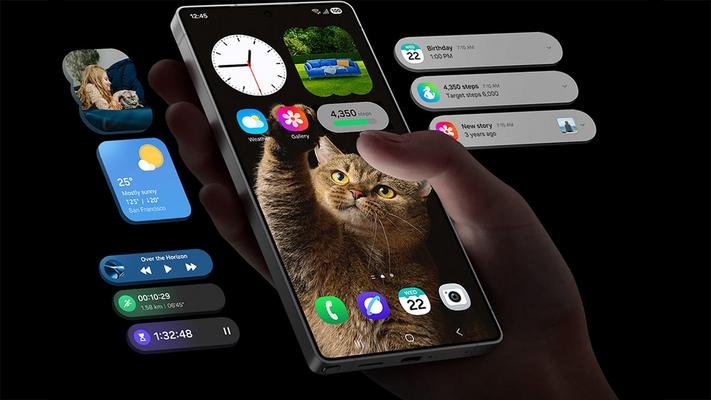
The Samsung Galaxy S26 Ultra is expected to arrive at the end of February, bringing with it a mix of incremental improvements and a few standout features like digital built-in privacy protection for your screen. However, as we approach the rumored launch date, it becomes increasingly clear that Samsung continues to play it safe with their flagship device. While competitors push boundaries with 7,000 mAh batteries and revolutionary features, Samsung seems content with iterative updates that leave power users wanting more.
Why the Galaxy S26 Ultra Feels Iterative
The most significant criticism surrounding the Galaxy S26 Ultra centers on its rumored unchanged 5,000 mAh battery capacity—the same size Samsung has used across the last five generations of Ultra phones. This conservative approach feels particularly disappointing when Chinese Android flagships regularly ship with 7,000 mAh batteries or larger. But beyond battery concerns, there are five major upgrades that users desperately need, yet Samsung appears unwilling to deliver.
1. 3D Face Unlock: A Security Feature Long Overdue
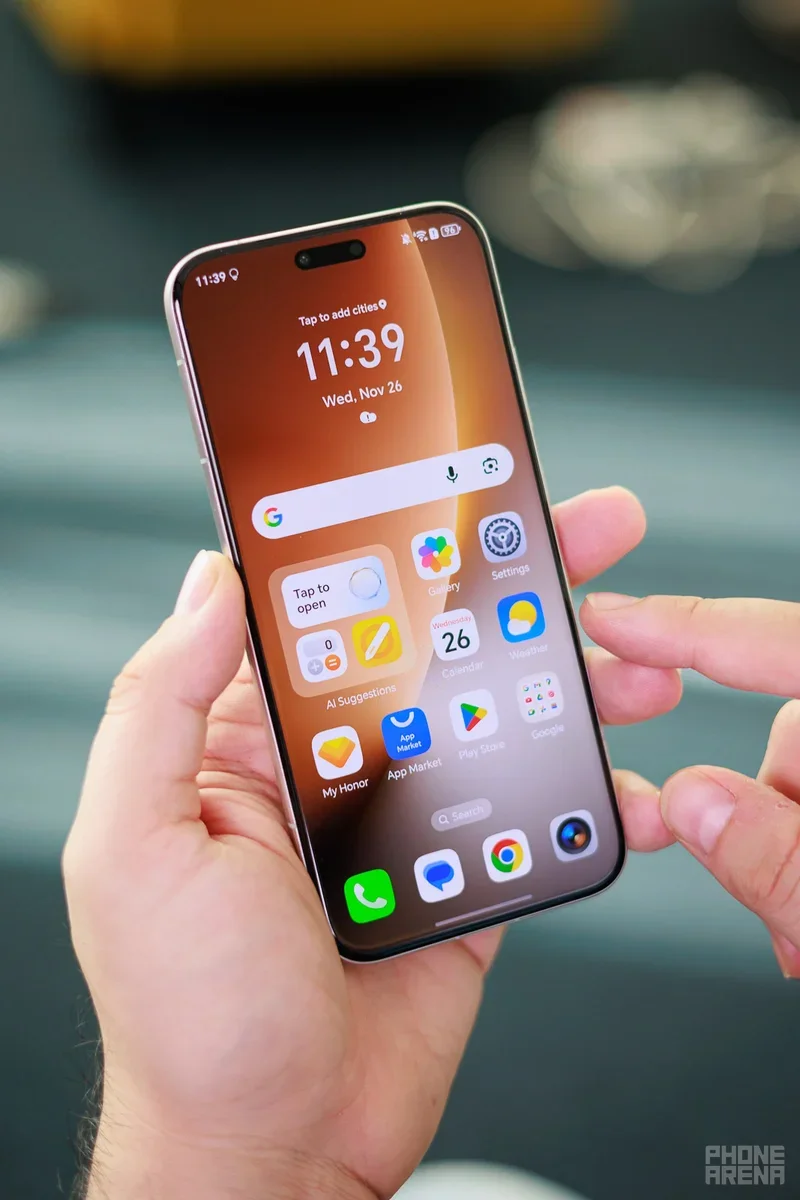
At this point, Samsung's reluctance to implement a truly secure 3D face unlock system on its flagship phones has become baffling. Apple pioneered this technology with the iPhone X back in 2017—nearly nine years ago—and it has since become a standard security feature that users expect from premium devices.
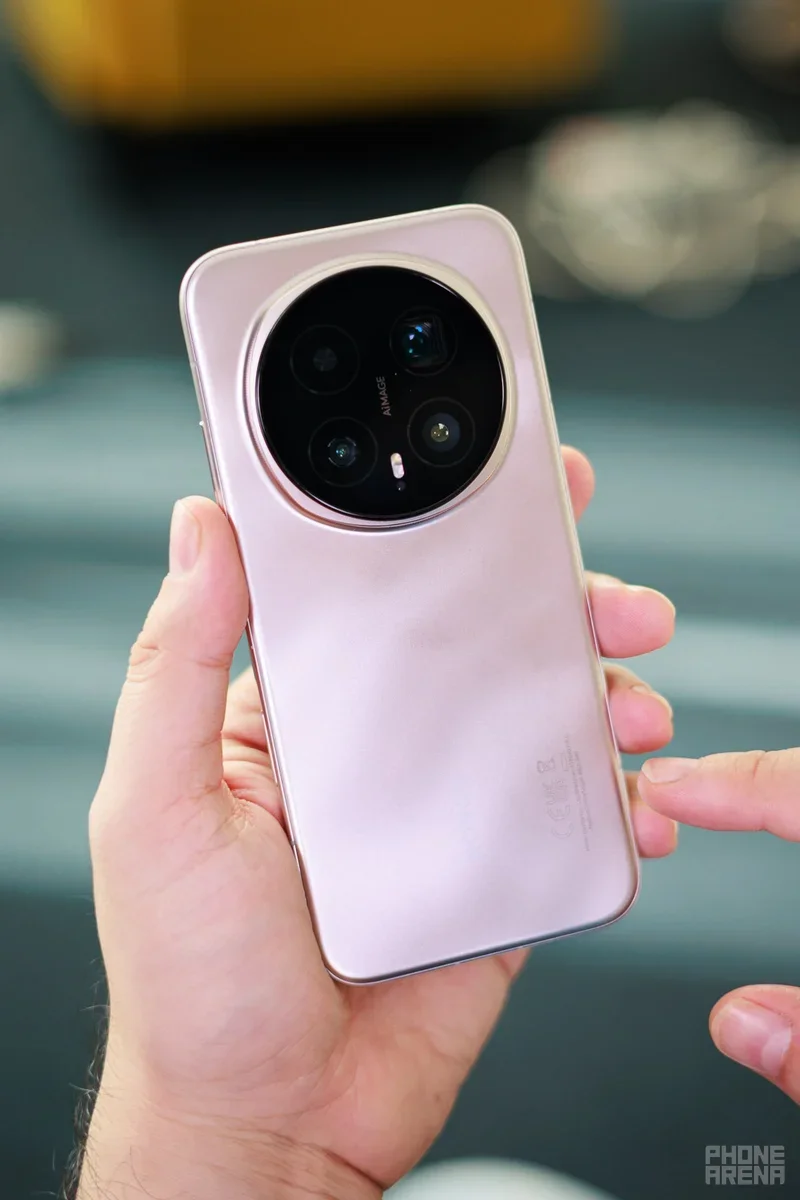
Chinese phone maker Honor has successfully integrated 3D face unlock into its Magic series for several years now, with the Magic 8 Pro serving as a prime example of how brilliantly this technology can work. The system takes minimal space within the device and offers genuine security benefits that go beyond what traditional 2D facial recognition can provide.
Why it matters:
- 3D face unlock provides bank-grade security authentication
- Works reliably in various lighting conditions
- Enables secure mobile payments and app authentication
- Complements fingerprint scanners rather than replacing them
The technology has matured significantly, yet Samsung continues to ignore this altogether. And while their ultrasonic fingerprint scanner performs admirably, the question remains: why can't we have both options for maximum flexibility and security?
2. The Return of the MicroSD Card Slot
With 4K60 video recording, LOG video profiles, and motion photos becoming standard features, storage fills up faster than ever on modern flagship smartphones. Yet manufacturers, including Samsung, continue charging premium prices for storage upgrades that cost them a fraction of what consumers pay.
The case for microSD expansion:
- MicroSD cards have become significantly faster and more reliable in recent years
- Eliminates the need to overpay for storage with every new phone purchase
- Makes transferring photos and videos between devices effortless
- Provides virtually unlimited storage expansion options
- Reduces e-waste by extending device usability
Apple remains the worst offender when it comes to storage upgrade pricing, but Samsung's prices, while more palatable, still represent a significant markup. The return of microSD card support would be a consumer-friendly move that aligns with Samsung's historical strengths. Unfortunately, that ship appears to have sailed, with no indications the company plans to bring expandable storage back to their flagship lineup.
3. The Anti-S Pen Edition
The S Pen has become synonymous with Samsung's brand identity, and many users genuinely love using it for note-taking, sketching, and productivity tasks. However, let's be honest: an overwhelming percentage of Galaxy S Ultra owners never touch their S Pen, making it nothing more than a significant waste of internal space.
What that space could become:
- A substantially larger battery (potentially 6,000+ mAh)
- Enhanced cooling systems for better sustained performance
- Larger speaker chambers for improved audio quality
- Additional sensor arrays for improved photography
The solution seems obvious: offer two variants of the Galaxy S26 Ultra—one with the S Pen for traditionalists and one without it but featuring a much larger battery. Market research suggests the battery-focused model would likely outsell its stylus-equipped counterpart, particularly among users who prioritize endurance over pen input capabilities.
4. A Pro-Grade 3X Telephoto Lens
Samsung phones once dominated the smartphone photography landscape, earning recognition as zoom kings. They were among the first manufacturers to adopt a 10X telephoto lens, and recent Ultra models feature dual telephoto camera systems—a 3X and a periscope zoom lens.
The problem lies with the secondary 3X telephoto camera, which has remained largely unchanged for years. It features a tiny sensor that produces merely average photos characterized by:
- Noticeable image noise, especially in challenging lighting
- Less detail than expected from a flagship device
- Inconsistent performance compared to the main sensor
- Limited dynamic range in high-contrast scenes
Early rumors suggested Samsung might finally upgrade this lens for the S26 series, but those hopes have since faded. We appear destined for yet another year of the same underwhelming 3X camera that fails to match the otherwise premium photography experience Samsung flagships deliver.
5. Truly Fast Charging Speeds
One of the more exciting rumored upgrades for the Galaxy S26 Ultra involves a jump to 60W fast charging, up from the current 45W standard. While this represents a welcome improvement, Samsung remains far too conservative compared to what Chinese flagship smartphones routinely offer.
Charging comparison for context:
- Samsung Galaxy S25 Ultra (5000 mAh): Full charge in 1 hour 9 minutes, 68% in 30 minutes
- Apple iPhone 17 Pro Max (5088 mAh): Full charge in 1 hour 16 minutes, 64% in 30 minutes
- OnePlus 15 (7300 mAh): Full charge in just 45 minutes, 68% in 30 minutes
Chinese flagship phones commonly feature 80W to 100W charging speeds, enabling users to achieve a 90% charge in approximately 30 minutes—even with significantly larger batteries. For users who don't charge overnight and prefer quick morning top-ups, this capability represents a transformative upgrade that Samsung simply refuses to embrace.
Why Samsung Plays It Safe
If one thing has become abundantly clear about Samsung's smartphone strategy, it's that they have essentially become the Android equivalent of Apple—content to deliver modest annual upgrades without fundamentally changing their successful formula.
The reasoning behind this approach is straightforward: outside of Asian markets, Samsung faces minimal competition. In regions like China, multiple brands aggressively push high-end specifications at competitive prices, forcing Samsung to innovate. But in Western markets, the only meaningful rivals are Apple and Google—companies equally reluctant to adopt cutting-edge hardware advancements.
This competitive landscape allows Samsung to:
- Maintain healthy profit margins on flagship devices
- Spread R&D costs across multiple product generations
- Minimize risk associated with adopting unproven technologies
- Focus marketing resources on software and ecosystem features
The Galaxy S26 Ultra Will Still Be Great—But It Could Be Better
Make no mistake: the Galaxy S26 Ultra will undoubtedly be an excellent smartphone. Samsung's engineering prowess, software optimization, and ecosystem integration ensure their flagships remain competitive with the best devices available globally.
However, for those who remember the legendary Galaxy Note series—phones that earned the title of "Everything Phone" by packing every conceivable feature into a single device—the S26 Ultra will inevitably feel like it's holding something back. The potential for greatness exists, but Samsung's conservative approach prevents the Ultra lineup from achieving its full potential.
Until meaningful competition emerges in Western markets, or until consumers vote with their wallets by demanding more aggressive innovation, Samsung has little incentive to change course. The Galaxy S26 Ultra represents another chapter in this ongoing story of incremental progress—a great phone that could have been extraordinary.
Frequently Asked Questions
When will the Samsung Galaxy S26 Ultra be released?
The Samsung Galaxy S26 Ultra is rumored to launch at the end of February 2025, approximately three weeks from the anticipated announcement date. Samsung typically hosts its Galaxy Unpacked events in early February for its flagship S-series releases.
Will the Galaxy S26 Ultra have a bigger battery than previous models?
According to current rumors, the Galaxy S26 Ultra will maintain the same 5,000 mAh battery capacity that Samsung has used across the past five generations of Ultra phones. This is despite competing Android flagships offering batteries as large as 7,000 mAh.
Does Samsung plan to add 3D face unlock to the Galaxy S26 Ultra?
There are no indications that Samsung plans to implement 3D face unlock technology in the Galaxy S26 Ultra. The company continues to rely on ultrasonic fingerprint scanning as the primary biometric authentication method.
Will the Galaxy S26 Ultra support microSD card expansion?
No, the Galaxy S26 Ultra is not expected to bring back microSD card support. Samsung removed this feature from their flagship lineup several years ago and has shown no signs of reversing this decision.
What charging speed will the Galaxy S26 Ultra support?
The Galaxy S26 Ultra is rumored to support 60W fast charging, an upgrade from the 45W charging speed found in current models. However, this remains slower than many Chinese flagship phones that offer 80W to 100W charging capabilities.
Will there be a Galaxy S26 Ultra version without the S Pen?
Samsung has not announced any plans to offer a Galaxy S26 Ultra variant without the S Pen. The stylus remains a defining feature of the Ultra lineup, despite many users never utilizing it.
Is the Galaxy S26 Ultra camera getting upgraded?
While early rumors suggested potential camera upgrades, particularly to the 3X telephoto lens, more recent information indicates the camera system may remain largely unchanged from the previous generation.